
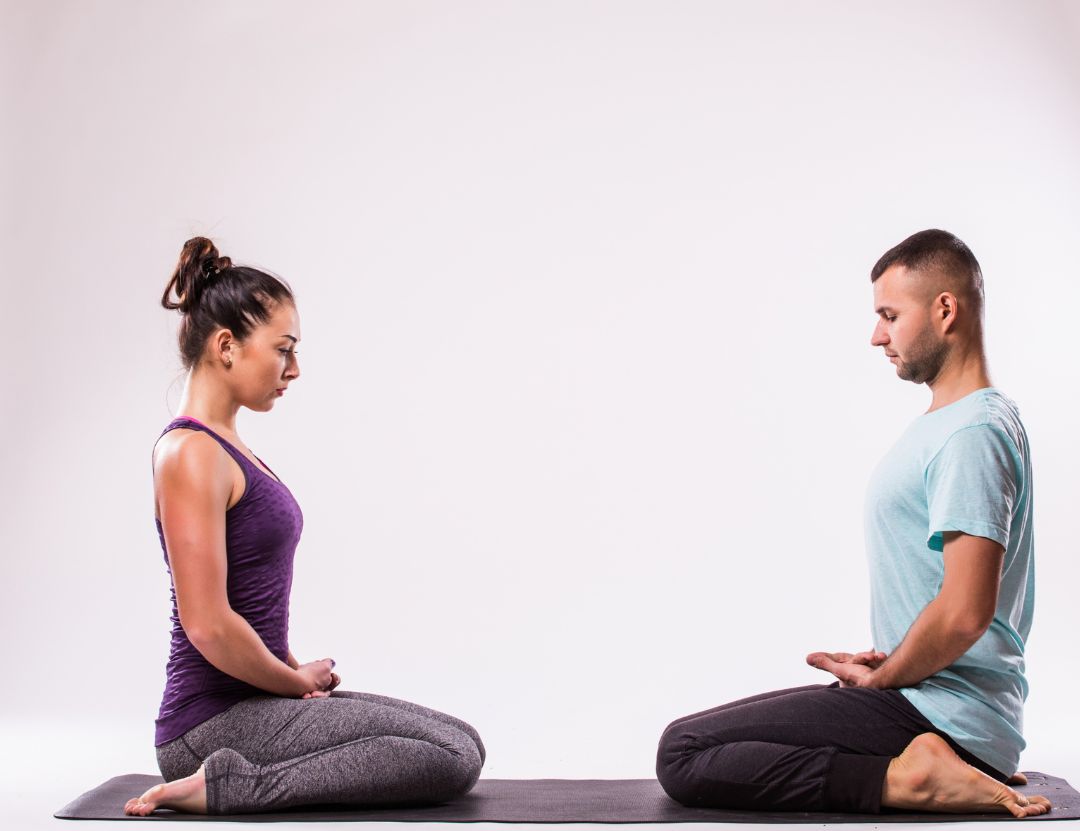
Yoga is often associated with flexibility, fitness, and relaxation. But did you know that yoga can also be adapted to support specific health and wellness needs?
While regular yoga classes may focus on general fitness and flexibility, therapeutic yoga takes a more individualized approach. It uses specific postures, breathing techniques, relaxation practices, and mindful movement based on a person’s medical needs and limitations.
If you are searching for best yoga therapists, understanding the difference between regular yoga and therapeutic yoga can help you choose an approach that is more suitable for your individual wellness goals.
What Is Therapeutic Yoga?
Therapeutic yoga is an individualized form of yoga that focuses on supporting physical, mental, and emotional wellbeing.
Instead of following the same sequence for everyone, therapeutic yoga may be adapted according to a person’s age, physical condition, lifestyle, mobility, stress levels, and specific wellness concerns.
Sessions may include:
- Gentle yoga postures
- Stretching and mobility exercises
- Breathing practices
- Relaxation techniques
- Mindfulness practices
- Posture awareness
- Guided movement
- Personalized home practice
- Modified, assisted practices
- Research based techniques
The goal is not simply to perform difficult poses. It is about using yoga-based practices appropriately to support healthier movement and overall wellbeing.
Regular Yoga vs Therapeutic Yoga: What’s the Difference?
One of the biggest differences is personalization.
A regular yoga class generally follows a structured sequence designed for a group. Participants may perform similar poses and movements regardless of their individual needs.
Therapeutic yoga, on the other hand, can be modified for the individual.
Regular Yoga
- Regular yoga may focus on:
- General fitness
- Flexibility
- Strength
- Balance
- Relaxation
- Physical activity
Therapeutic Yoga
Therapeutic yoga may focus on:
- Individual health needs
- Safe and appropriate movement
- Mobility and flexibility
- Breathing and relaxation
- Stress management
- Posture awareness
- Long-term lifestyle practices
This does not mean one approach is better than the other. They simply serve different purposes
Why Does Personalization Matter?
Everyone’s body and lifestyle are different.
A movement that feels comfortable for one person may not be suitable for someone else. Factors such as age, flexibility, previous injuries, posture, physical limitations, and overall health can influence how yoga should be practiced.
This is where professional guidance becomes valuable.
When working with best yoga therapists, sessions can be adapted according to the individual’s needs rather than simply following a standard routine.
How Can Therapeutic Yoga Support Your Wellbeing?
1. Supports Flexibility and Mobility
Gentle, appropriate movements may help improve mobility and encourage better movement patterns.
Regular practice can help people become more aware of how they move and where they may have limitations.
2. Encourages Better Posture
Long hours of sitting, working on computers, and poor movement habits can affect posture.
Therapeutic yoga can incorporate movements and awareness practices that encourage better posture and body alignment during everyday activities.
3. Promotes Relaxation
Breathing exercises, mindful movement, and relaxation techniques can help create a calming practice.
For people dealing with busy schedules and everyday stress, these techniques may become useful tools for relaxation.
4. Supports Mind-Body Awareness
Yoga is not only about physical movement.
Therapeutic practices can encourage people to pay attention to breathing, body sensations, movement patterns, and mental responses. This increased awareness can help individuals understand their bodies better.
5. Encourages Consistent Movement
One of the most important aspects of any wellness routine is consistency.
A personalized yoga practice may be easier to maintain because the exercises can be selected according to a person’s abilities, preferences, lifestyle and health requirements.
Who Can Consider Therapeutic Yoga?
Therapeutic yoga may be suitable for people looking for a more personalized approach to yoga and wellness.
It may be considered by individuals who:
- Want gentle and structured movement
- Have limited flexibility, mobility or disability
- Spend long hours sitting
- Experience everyday physical stiffness
- Want to improve body awareness and mindfulness
- Are looking for relaxation techniques
- Prefer personalized yoga guidance
- Want to develop a sustainable wellness routine
- For Medical conditions as a therapeutic protocol
- For mental health dysfunctions like addictions, anxiety, depression etc.
Therapeutic Yoga at SAMATVAM starts with a thorough medical evaluation and assessment based on medical history, therapy goals, physical limitations, mental state and the protocol is designed based on specific treatment goals whether it is reversal of chronic conditions, regulating emotions, correcting cognitive errors or modifying practices for physical limitations.
What Happens During a Therapeutic Yoga Session?
A therapeutic yoga session may begin with understanding the individual’s lifestyle, movement patterns, wellness goals, and specific concerns.
Based on this assessment, the practitioner may select appropriate:
- Basic mobility exercises
- Yoga postures
- Breathing exercises
- Gentle movements
- Relaxation practices
- Mindfulness techniques
- Pranayama
- Assisted practices using props, resistance bands or other equipment
- Home-practice recommendations
- Integrated Yoga, exercise and Tai chi
The intensity, frequency and duration can be adjusted according to the person’s medical needs and health goals and necessary corrections made.
This personalized approach makes therapeutic yoga different from simply watching a yoga video and following the same routine every day.
How to Choose the Right Yoga Therapist
Choosing the right practitioner is an important part of beginning therapeutic yoga.
When looking for best yoga therapists, consider factors such as:
Professional Training
Look for a practitioner with appropriate education and professional training in yoga therapy and related wellness practices with clinical experience.
Personalized Approach
A good therapeutic approach should consider your individual needs rather than applying exactly the same routine to everyone.
Understanding of Your Goals
The practitioner should understand what you want to achieve and create an appropriate practice around those goals.
Safe Practice
Yoga should be adapted according to your physical abilities and limitations. Avoid practices that encourage you to push through significant pain or discomfort.
Therapeutic Yoga as Part of a Holistic Wellness Approach
Therapeutic yoga can be incorporated into a broader wellness routine alongside healthy nutrition, adequate sleep, stress management, physical activity, and other appropriate lifestyle practices.
At Samatvam Wellness, yoga therapy is incorporated as a part of a holistic approach that focuses on personalized wellness and lifestyle support or as a stand alone therapeutic tool.
The emphasis is on developing practices that can become part of everyday life rather than relying only on occasional sessions focussing on consistency, sustainability and simplicity.
Conclusion
Not all yoga practices have the same purpose. While regular yoga can be an excellent way to stay active and improve flexibility, therapeutic yoga takes a more personalized approach to movement, breathing, relaxation, and overall well being.
The right practice depends on your individual needs, abilities, and wellness goals. Instead of choosing a routine simply because it is popular, consider whether it is appropriate for your body and lifestyle.
With professional guidance, therapeutic yoga can become a practical part of a balanced and sustainable wellness routine.