
Have you ever experienced sudden numbness in your hand, difficulty speaking or temporary blurred vision? Sometimes, these symptoms disappear within a few minutes, making you feel that everything is back to normal. But what if your body is giving you an important warning?
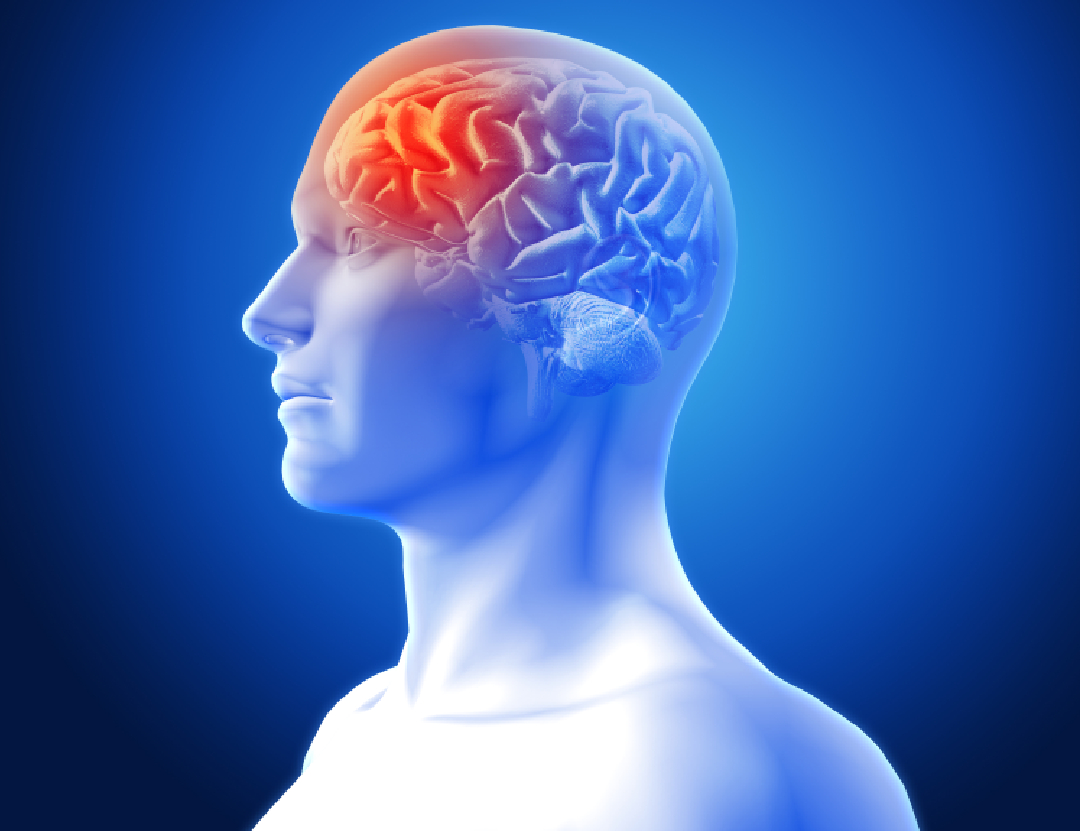
A mini stroke, medically known as a Transient Ischemic Attack (TIA), occurs when blood flow to a part of the brain is temporarily interrupted. This can affect speech, movement, vision and balance. Although the symptoms may disappear within minutes or hours, a mini stroke should never be ignored. It can be an important warning sign of a future major stroke.
Understanding the symptoms, identifying risk factors and seeking medical attention at the right time can help protect your long-term brain health.
What Exactly Is a Mini Stroke (TIA)?
A TIA happens when blood flow to a part of the brain is temporarily reduced or blocked. Since the brain depends on a continuous supply of oxygen-rich blood, even a temporary interruption can affect normal body functions.
Unlike a major stroke, TIA symptoms resolve completely without permanent brain infarction. However, this does not mean the condition is harmless. A person who experiences a TIA has an increased risk of a subsequent stroke, particularly in the days following the episode.
Samatvam’s client testimoniThis is why immediate medical evaluation and appropriate preventive care are essential.
What Are the Common Symptoms of a Mini Stroke?
The symptoms of a mini stroke usually appear suddenly. They may last only a few minutes, which is why people sometimes mistake them for tiredness or temporary weakness.
Some common mini stroke symptoms include:
- Sudden facial drooping: One side of the face may look uneven, especially when smiling.
- Arm or leg weakness: Sudden numbness or weakness, particularly on one side of the body.
- Speech difficulties: Slurred speech or difficulty finding the right words or understanding conversations.
- Vision problems: Temporary blurred vision, double vision or sudden loss of sight.
- Dizziness and balance problems: Sudden difficulty walking, standing or maintaining coordination.
- Sudden confusion: Difficulty understanding simple conversations or responding normally.
Even if these symptoms disappear after a few minutes, seek immediate medical attention. Never wait for them to return.
Remember B.E. F.A.S.T. to Identify Stroke Warning Signs
An easy way to recognise stroke symptoms is the B.E. F.A.S.T. method:
- B – Balance: Sudden dizziness or difficulty walking.
- E – Eyes: Sudden vision changes.
- F – Face: One side of the face droops.
- A – Arms: Weakness or numbness in one arm.
- S – Speech: Slurred or unclear speech.
- T – Time: Seek emergency medical help immediately.
Remember, every minute matters when it comes to brain health. If you notice any of these warning signs, call emergency services without delay.
Why Should You Never Ignore a Mini Stroke?
Many people assume that a mini stroke is harmless because the symptoms disappear on their own. However, a TIA can indicate an increased risk of experiencing a major stroke, sometimes within a short period.
The underlying cause, such as a blood clot, narrowed blood vessels or an irregular heartbeat, may still be present even after the symptoms disappear.
Early medical evaluation helps doctors identify the cause and recommend appropriate treatment to reduce the risk of another TIA or a major stroke.
Who Is at Risk of Experiencing a Mini Stroke?
Although a mini stroke can happen to anyone, certain health conditions and lifestyle habits can increase the risk.
Some common risk factors include:
- High blood pressure: Uncontrolled blood pressure can damage blood vessels and increase stroke risk.
- Diabetes: Poorly controlled blood sugar can affect blood vessel health.
- High cholesterol: Cholesterol deposits can contribute to narrowing of the arteries.
- Heart conditions: Irregular heart rhythms can increase the risk of blood clots.
- Obesity: Excess body weight can contribute to several cardiovascular risk factors.
- Smoking: Tobacco use damages blood vessels.
- Stress and unhealthy lifestyle habits: These may contribute to poor management of blood pressure and other risk factors.
- Previous TIA or stroke: A history of stroke-related conditions increases the importance of preventive medical care.
Managing these conditions through regular health check-ups, appropriate treatment and lifestyle changes can help reduce future risks.
Can You Reduce the Risk of a Mini Stroke?
Although not all strokes can be prevented, healthy lifestyle habits can help protect your brain and heart.
- Monitor your blood pressure: Keep your blood pressure under control with regular monitoring.
- Manage diabetes and cholesterol: Follow your doctor’s advice and prescribed treatment.
- Maintain a healthy weight: A balanced diet and regular physical activity can support weight management.
- Eat nutritious food: Include fruits, vegetables, whole grains and other nutrient-rich foods in your daily meals.
- Stay physically active: Regular exercise supports better circulation and cardiovascular health.
- Manage stress: Relaxation techniques, adequate sleep and healthy daily routines can support overall well-being.
- Attend regular health check-ups: Early identification of health problems can help prevent serious complications.
If you have already experienced a TIA, lifestyle changes alone are not enough. Medical follow-up and appropriate treatment are essential.
How Can Samatvam Support Better Health and Stroke-Risk Management?
Managing the risk factors associated with stroke requires a consistent and personalised approach. Along with appropriate medical treatment, supporting overall health through nutrition, weight management and healthy lifestyle practices can play an important role.
Samatvam focuses on supporting wellness by addressing modifiable health risk factors that may contribute to cardiovascular and metabolic problems.
Some important areas of support include:
- Blood Pressure Management: Supporting healthy lifestyle habits and monitoring practices that help maintain blood pressure within the recommended range.
- Diabetes Management: Encouraging appropriate nutritional habits and lifestyle changes to support better blood sugar management.
- Healthy Weight Management: Supporting individuals in managing obesity and maintaining a healthier body weight through personalised wellness guidance.
- Stress Management: Promoting relaxation, better sleep and stress-management practices to support overall well-being.
- Age-Appropriate Nutrition: Encouraging balanced nutrition and essential nutrients according to an individual’s age, health condition and nutritional needs.
- Long-Term Wellness Support: Encouraging consistent health monitoring and lifestyle improvements to support overall cardiovascular and metabolic health.
By addressing these modifiable risk factors, Samatvam aims to support individuals in building healthier habits and improving their overall well-being.
For individuals who have experienced a mini stroke or major stroke, such wellness support should always complement, not replace, medical treatment and specialist follow-up. No wellness programme can guarantee the prevention of another stroke.
What Should You Do If You Notice Mini Stroke Symptoms?
If you or someone around you experiences sudden facial drooping, weakness, speech difficulties or vision problems, do not wait to see whether the symptoms disappear.
Call emergency medical services immediately. Note the time when the symptoms started and avoid giving medicines or home remedies without medical advice.
Even if the person feels completely normal again, urgent hospital evaluation is necessary. A suspected TIA should always be treated as a medical emergency.
Conclusion
A mini stroke may last only a few minutes, but its warning should never be taken lightly. Sudden weakness, speech difficulties, facial drooping or vision changes are signs that need immediate medical attention, even if they disappear.
Understanding the warning signs, managing existing health conditions and making healthier lifestyle choices can help reduce future risks.
Listen to your body, recognise the warning signs and never delay seeking medical help. Early awareness, proper medical evaluation and consistent management of health risk factors can make a significant difference in protecting your brain health.
At Samatvam Wellness, we believe that better health begins with awareness, preventive care and a holistic approach to well-being.
Medical Disclaimer: This article is for general health awareness and educational purposes only. It is not a substitute for professional medical advice, diagnosis or treatment. Suspected TIA or stroke symptoms require immediate emergency medical assessment. Samatvam wellness support should not replace prescribed medication, stroke treatment or specialist medical care.