
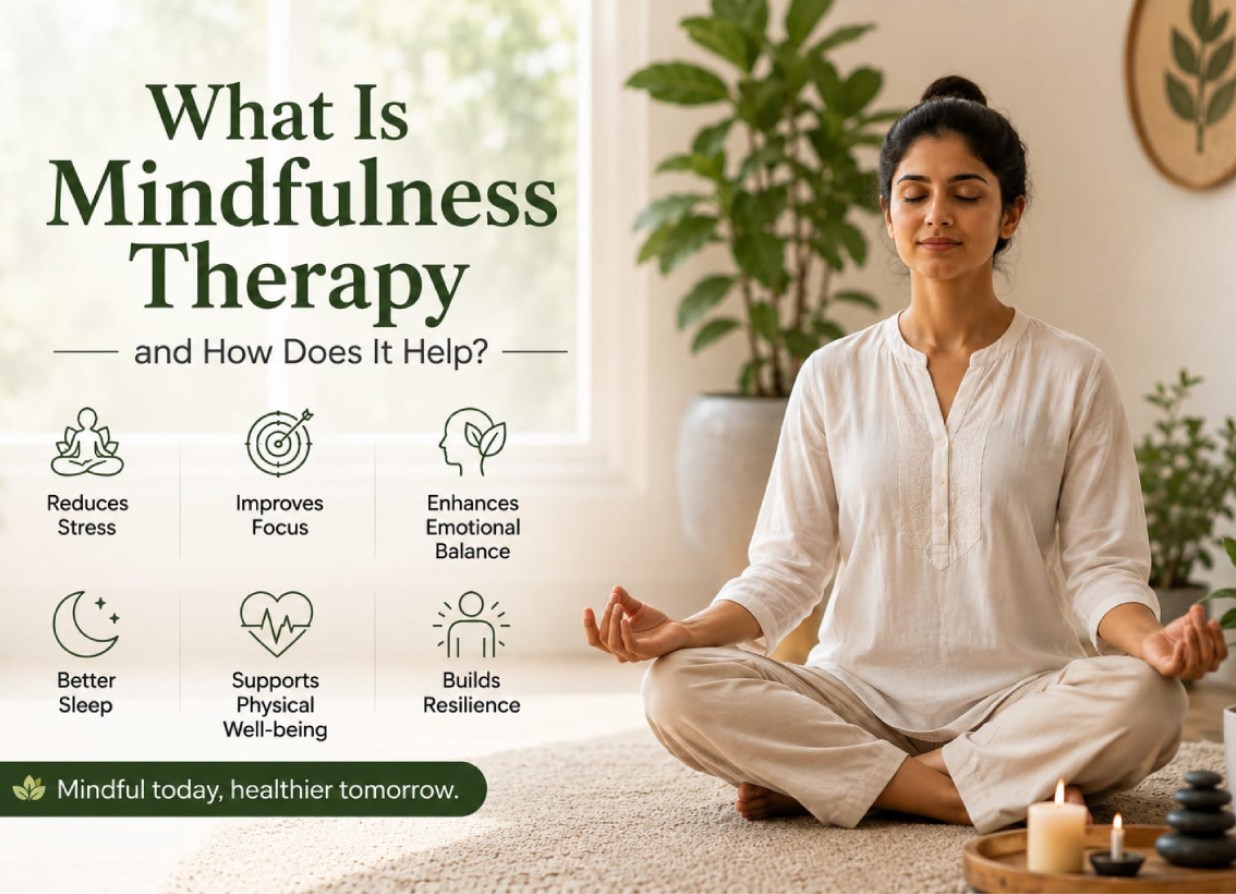
Modern life often moves at a relentless pace. Between work deadlines, family responsibilities, financial pressures, and constant digital notifications, many people find themselves feeling overwhelmed. Persistent stress can gradually affect emotional health, sleep quality, productivity, and even physical wellness.
This is where Mindfulness Therapy offers a meaningful solution. Rather than trying to eliminate life’s challenges, it teaches you how to respond to them with greater awareness, clarity, and emotional balance. Backed by scientific research, Mindfulness Therapy has become an effective complementary approach for managing stress, anxiety, depression, and emotional burnout.
If you’re looking for a healthier way to improve your mental well-being, this guide explains everything you need to know about Mindfulness Therapy, its benefits, how it works, and who can benefit from it.
What Is Mindfulness Therapy?
Mindfulness Therapy is a therapeutic approach that combines mindfulness practices with evidence-based psychological techniques to help individuals become more aware of their thoughts, emotions, and physical sensations..
Instead of reacting automatically to stressful situations, mindfulness encourages you to pause, observe your experiences without judgment, and make healthier choices. This simple shift in awareness helps reduce emotional distress while improving resilience and overall well-being.
Mindfulness Therapy is widely used alongside counselling and other wellness treatments to support long-term emotional health.
How Mindfulness Therapy Works
Our minds often wander between regrets about the past and worries about the future. This constant mental activity increases stress and emotional exhaustion.
Mindfulness Therapy helps train your attention to remain focused on the present moment through structured techniques such as:
Guided Mindfulness Meditation
Calms the mind and develops present-moment awareness.
Conscious Breathing Exercises
Slow, controlled breathing relaxes the nervous system and reduces stress hormones.
Body Awareness Practice
Individuals learn to notice physical sensations without reacting, helping release accumulated tension.
Emotional Observation
Instead of suppressing emotions, mindfulness teaches healthy acceptance and understanding.
Daily Mindfulness Habits
Simple exercises help integrate mindfulness into everyday activities like eating, walking, working, and communicating.
With consistent practice, these techniques gradually reshape thought patterns and improve emotional regulation.
Top Benefits of Mindfulness Therapy
Reduces Everyday Stress
Mindfulness lowers the body’s stress response by calming both the mind and nervous system. Regular practice helps people handle daily challenges with greater confidence and composure.
Helps Manage Anxiety
Instead of becoming overwhelmed by anxious thoughts, mindfulness teaches individuals to observe them calmly, reducing excessive worry and emotional reactivity.
Improves Emotional Balance
Greater self-awareness allows people to understand their emotions better, leading to healthier relationships, improved patience, and increased emotional resilience.
Enhances Sleep Quality
Relaxation techniques and mindful breathing quiet racing thoughts, making it easier to fall asleep and enjoy deeper, more restorative rest.
Increases Focus and Productivity
Mindfulness improves concentration by reducing distractions and encouraging complete attention to one task at a time.
Supports Physical Well-being
Research suggests that reducing chronic stress may positively influence blood pressure, immune function, digestive health, chronic pain management, and overall physical wellness.
Who Can Benefit from Mindfulness Therapy?
Mindfulness Therapy is suitable for people from all walks of life, including:
- Working professionals dealing with workplace stress
- Students facing academic pressure
- Parents managing family responsibilities
- Individuals experiencing anxiety or depression
- People recovering from burnout
- Those living with chronic pain
- Individuals struggling with sleep problems
- Anyone seeking greater emotional resilience and personal growth
No previous meditation experience is required.
What to Expect During a Mindfulness Therapy Session
Every session is tailored to the individual’s needs, but a typical appointment may include:
- A discussion about current concerns and personal wellness goals
- Guided breathing exercises
- Mindfulness meditation practices
- Body awareness and relaxation techniques
- Emotional awareness exercises
- Practical mindfulness strategies for daily life
Over time, regular sessions help create healthier thought patterns and more balanced emotional responses.
Mindfulness Therapy vs Traditional Meditation
Although the terms are often used interchangeably, they are not exactly the same.
Meditation is a practice that develops mindfulness through focused attention and relaxation.
Mindfulness Therapy, on the other hand, combines meditation with professional therapeutic guidance, behavioural strategies, emotional support, and personalized coping techniques. This structured approach makes it particularly beneficial for individuals experiencing ongoing stress, anxiety, or emotional challenges
Why Professional Guidance Makes a Difference
Learning mindfulness from a qualified therapist offers several advantages over practicing alone.
Professional Mindfulness Therapy helps you:
- Identify personal stress triggers
- Develop healthy coping mechanisms
- Improve emotional regulation
- Build long-term resilience
- Receive individualized guidance based on your lifestyle and wellness goals
This personalized support helps ensure mindfulness becomes a sustainable habit rather than a short-term practice.
Tips to Practice Mindfulness Every Day
Even a few minutes of mindfulness each day can create noticeable improvements.
Try these simple habits:
- Begin your morning with five minutes of deep breathing.
- Take mindful breaks during work.
- Focus completely while eating instead of using your phone.
- Practice gratitude before bedtime.
- Spend a few minutes observing your thoughts without judging them.
- Take slow, mindful walks whenever possible.
Small daily practices often lead to lasting positive changes.
Conclusion
Mindfulness Therapy is more than a relaxation technique-it’s a practical life skill that helps you develop greater awareness, emotional resilience, and inner peace. By learning to stay present and respond thoughtfully instead of reacting impulsively, you can improve both your mental and physical well-being.
At Samatvam Wellness, we provide personalized Mindfulness Therapy in Trivandrum (both offline and online) to help individuals overcome stress, anxiety, emotional exhaustion, and burnout. Along with Mindfulness Counselling in Trivandrum, Stress Management Counselling in Trivandrum, Medical Yoga Therapy, and holistic wellness programs, our experienced professionals support you on your journey toward a healthier, more balanced life.